
首页
Introduction to GLIPU
Introduction to GLIPU
Guizhou Light Industry Polytechnic University (GLIPU) is a public vocational university at the undergraduate level. Its history traces back to the founding of Guizhou Light Industry School in 1977 and Guizhou Second Light Industry School in 1979. In 2004, these two schools merged into Guizhou Light Industry Technical College (GLITC). In June 2025, the Chinese Ministry of Education approved the establishment of Guizhou Light Industry Polytechnic University based on the former college.
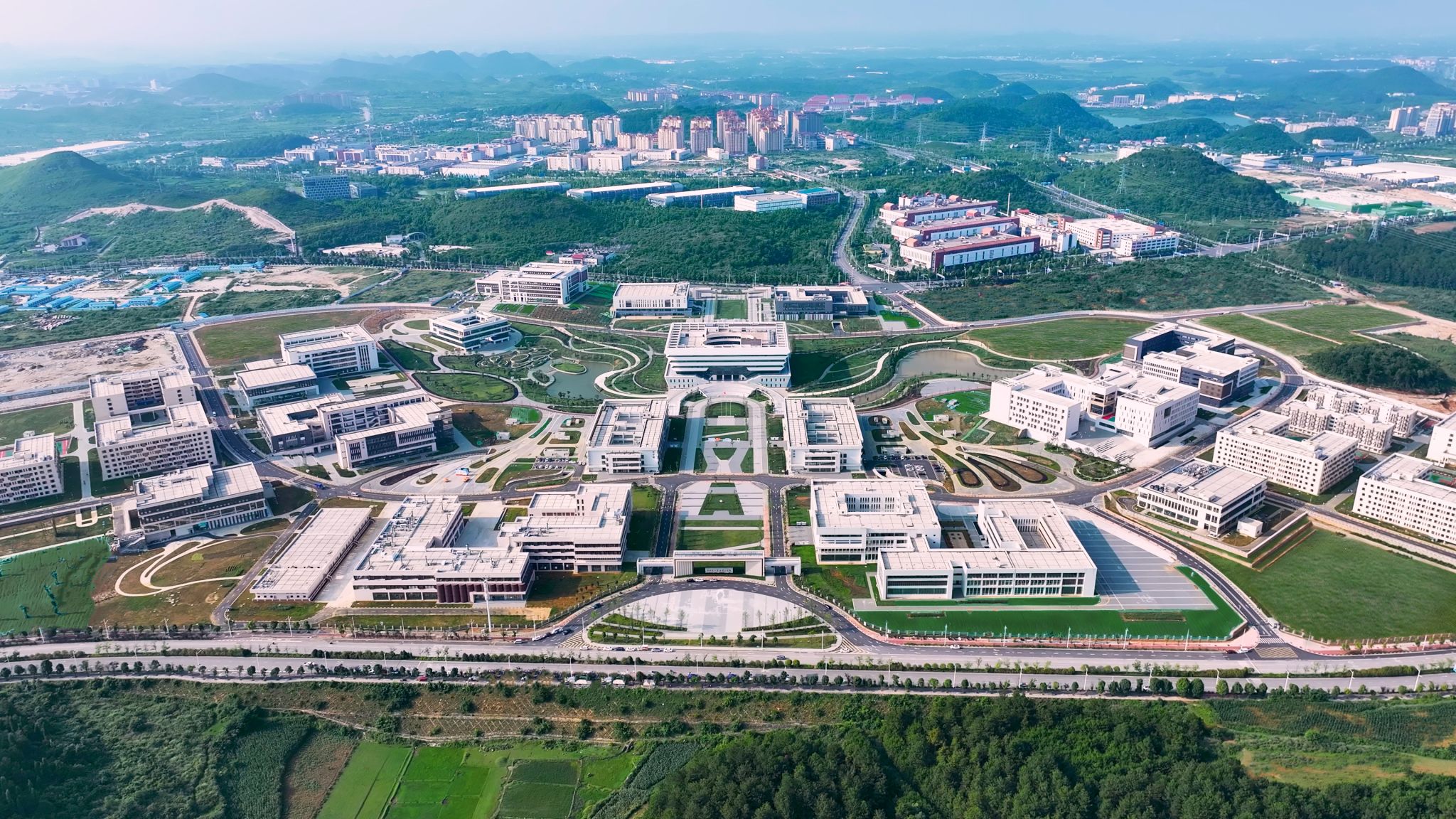
Since its founding, GLIPU has remained committed to its educational mission aligned with national development goals and has consistently implemented national education guidelines. It has adhered to its vocational mission while cultivating distinctive strengths in the light industry. Embracing the motto "Illuminate Virtue and Cultivate Character, Excel in Skills and Achieve Success" and the spirit of "Cultivate Virtue, Excel in Skills", GLIPU has continuously deepened its talent cultivation reforms and achieved remarkable results. It has been included consecutively as one of the first group of Pilot Institutions for Modern Apprenticeship at Chinese national level, Chinese National Quality Higher Polytechnic College, and the institute sponsored by two rounds of the Construction Plan for High-level Higher Vocational Schools and Specialty Groups with Chinese Characteristics (“Double High Plan” in short). The university has been approved to establish 2 "Chinese National Model Party Branches", a Designated University Studio for "Dual-Leader" Teacher Party Branch Secretaries at national level, and 1 "Empowering the Nation" Special Action Team. GLIPU has received numerous honors, including "Chinese National Huang Yanpei Outstanding School Award for Vocational Education", "Chinese National May Fourth Red Banner Youth League Committee", "Chinese National Model Institution for Graduate Employment", "Chinese National Model Institution for Innovation and Entrepreneurship" and "Chinese National Model Vocational Education Institution for Digitalization."
GLIPU has solid foundation and distinctive academic programs. The campus covers 1,800 mu (approximately 120 hectares), with a building area of 394,600 square meters and a library collection of 1.429 million books. There are 810 faculty and staff members and 12,107 full-time students. The university comprises seven departments: Light Industry and Chemical Engineering, Art and Design, Information Engineering, Mechanical and Electrical Engineering, Economics and Management, Architectural Engineering, and Culture and Tourism, as well as the Waikato International College. Aligning with "Six Major Industrial Clusters" and "Three Featured Industries" of Guizhou Province, GLIPU has built a distinctive program system based on "Wine, Art, and Data." GLIPU offers 7 full-time undergraduate programs and 26 associate degree programs, including 1 national program group, 5 national key programs, and 7 provincial key (featured) programs.
GLIPU has deepened its teaching reforms and achieved fruitful results. In the past three award cycles, it has received 1 Chinese National Teaching Achievement Award and 8 Provincial Teaching Achievement Awards. Four textbooks have been included in the "13th Five-Year Plan" and "14th Five-Year Plan" National Vocational Education Planning Textbooks. GLIPU has been approved for the Ministry of Education’s Field Technician Specialized Training Program. GLIPU has co-established 5 national Professional Teaching Resource Databases and built 1 provincial teaching resource database and 13 provincial quality courses. Over the past five years, GLIPU has won 32 medals at World Vocational College Skills Competition (WVCSC) including 3 First Prizes, and 2 medals at Vocational Skills Competition of the People’s Republic of China (CVSC). GLIPU has established an Innovation and Entrepreneurship School and has won a total of 38 medals in national innovation and entrepreneurship competitions (e.g. China International College Students’ Innovation Competition (CICSIC), "Challenge Cup" National Competition), including 1 Grand Prize and 1 Gold Award. The graduate employment rate has remained stable at over 95%. In 2025, students articulating from associate to bachelor’s degree programs accounted for over 20% of the associate degree graduates.
The faculty is well-structured and includes renowned teachers and skilled experts. There are 679 full-time faculty members, including 236 with senior professional titles and 448 with master’s degrees or higher. GLIPU has 1 national Vocational Education Teacher Teaching Innovation Team, 1 Master Studio, 5 provincial Excellent Teaching Teams, and 5 provincial Master (Renowned Teacher) Studios. GLIPU has cultivated a group of national and provincial talents and skilled experts, including recipients of honors such as the National Poverty Alleviation Outstanding Individual, the National Women’s Meritorious Service Medalist, the National Excellent Teacher, the National “Ten Thousand Talents Program” Leading Talent, and the Huang Yanpei Outstanding Vocational Educator Award. Several teachers have stood out in Guizhou Province’s contests for "Counselor of the Year" and "New Political Education Talent". 26 key faculty members hold important positions within the National Vocational Education Teaching Steering Committees (NVETSC) and other national industry associations, providing a strong and reliable faculty foundation for the university’s mission of cultivating high-quality talent.
Promoting deep industry-education integration and developing science and education collaboratively, GLIPU leads the establishment of national industry-education integration communities for Big Data and Sauce-Flavored Baijiu, as well as the Guizhou Baijiu Industry-Education Consortium, 2 of which have been selected as provincial industry-education integration communities or municipal industry integration consortia. GLIPU, with the University Town Administration Committee of Gui’an New District Government, has established a university science park. GLIPU has cooperative relationships with 180 enterprises, including BYD, and has co-built 8 industrial colleges. GLIPU has also established 5 high-level industry-education integration innovation platforms, including national virtual simulation training base, open training base, and collaborative innovation center. It also hosts 3 provincial engineering research centers, 2 doctoral innovation stations, and 1 collaborative innovation center. The deep industry-education integration model has been recognized as a model case of industry-education integration and university-enterprise cooperation by the Ministry of Education and has been selected for the "Top 100 Industry-Education Integration Cases".
Serving social development and demonstrating vocational education commitment, GLIPU, relying on National Key Training Bases for Vocational Education Teacher Training, Direct Base for Vocational Ability Assessment under the China National Light Industry Council, as well as Provincial Continuing Education Bases for Professional and Technical Personnel, Model Staff Training Base, and New-Type Professional Farmer Training Center, has built a broad, multi-level social service system. In the past five years, it has provided social training for 160,000 participants, fulfilling its contemporary mission of serving society.
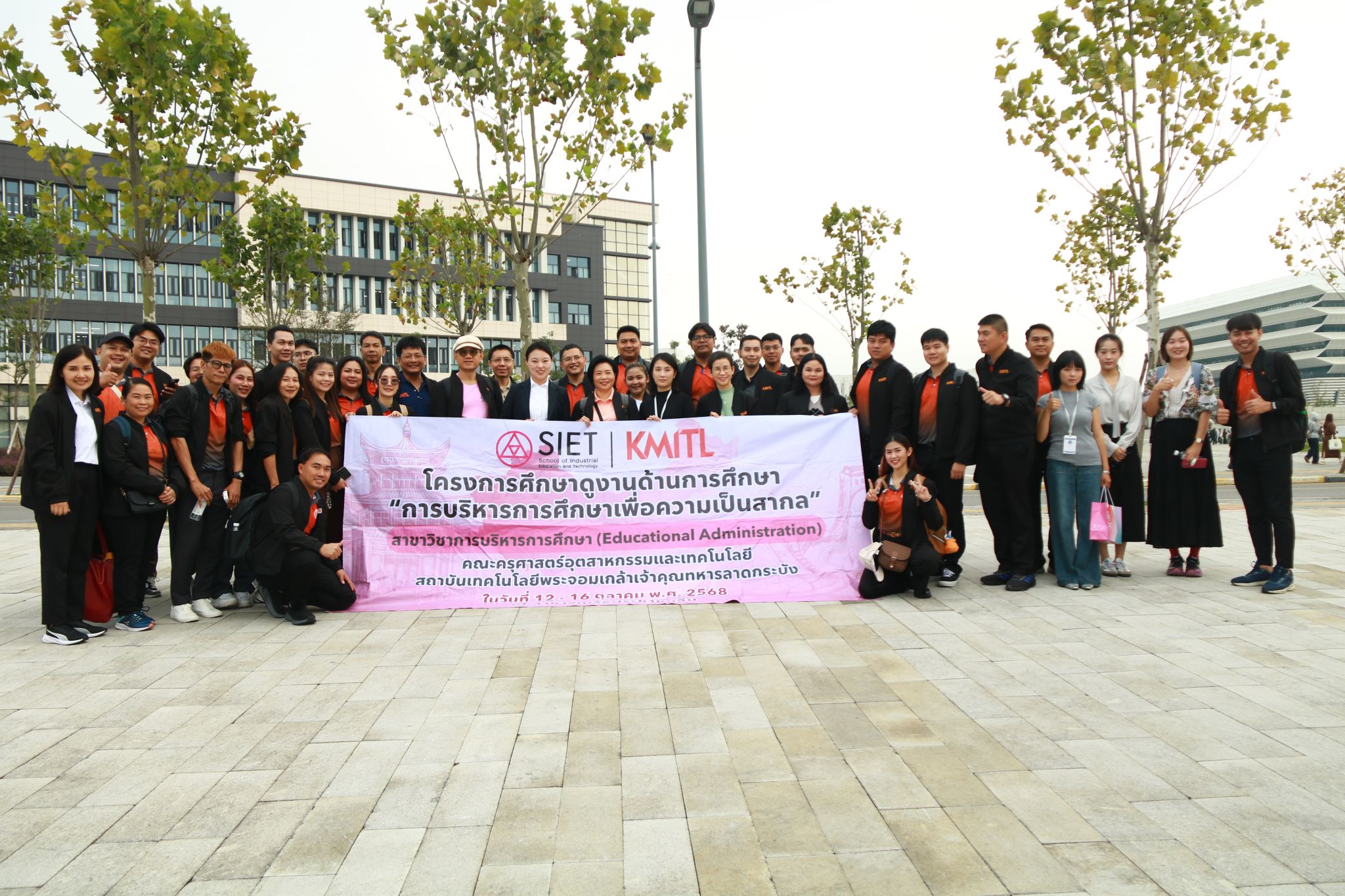
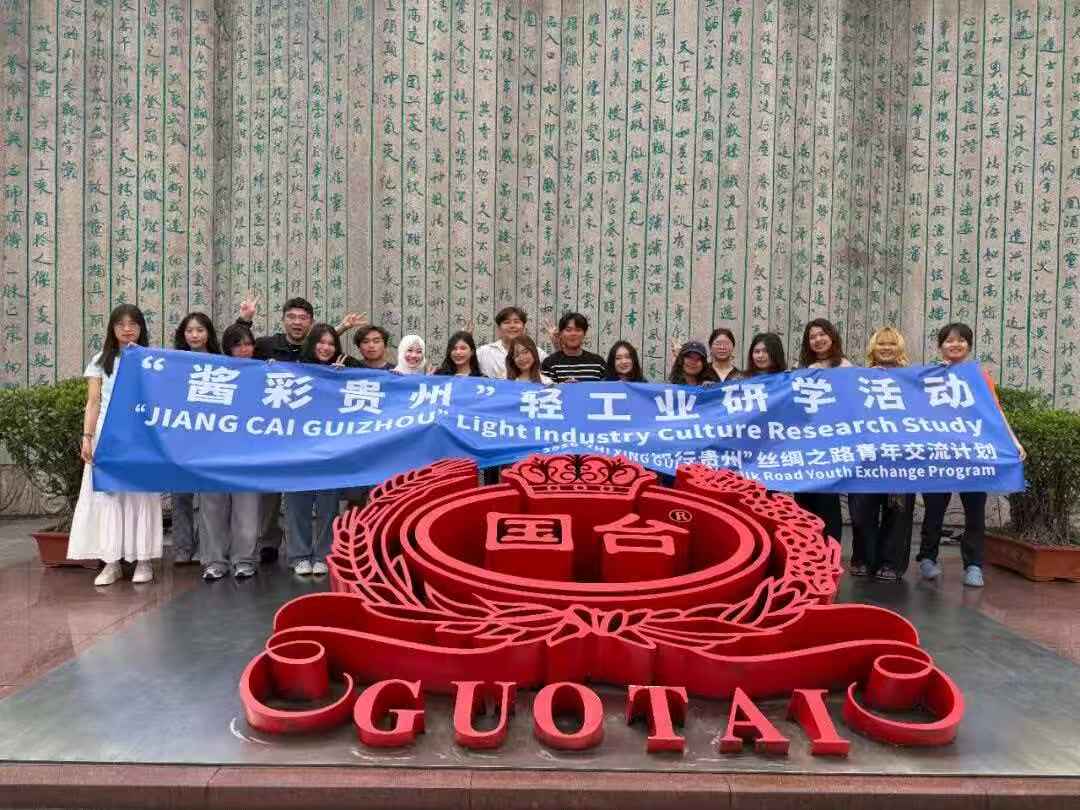
Adhering to open education strategy, promoting the internationalization of vocational education, GLIPU has been approved to establish "Guizhou Light Industry Polytechnic University Waikato International College", the only Sino-foreign cooperative education institution at the higher vocational college level in Guizhou Province. Waikato International College (WIC) offers 4 Sino-foreign cooperative education programs in partnership with universities in New Zealand and Hungary, bringing in 4 international professional standards and 38 course standards. GLIPU actively promotes vocational education abroad, establishing the "Jingshi Institute" in Thailand and the "Guijiang Workshop" in collaboration with Chitralada Technology Institute, Thailand. It has exported 2 professional standards, 10 course standards, and 11 teaching resource databases with overseas partners. GLIPU has joined consecutively Maritime Silk Road Society, Lu Ban Workshop Construction Alliance, China Education Association for International Exchange, and "Belt and Road" Vocational Education Industry-Education Integration Community. It also serves as the chair of the "Guijiang Workshop" Vocational Education Alliance.
Looking ahead, GLIPU remains steadfast in its pursuit of becoming a distinctive, high-level light industry university. It strives to comprehensively enhance its educational standards, highlighting the unique character of Guizhou, the defining traits of light industry, and the distinctive features of digital intelligence. With unwavering determination, GLIPU is forging a new era of development marked by high-quality talent cultivation, strong social service capabilities, excellent outcomes for faculty and students, and a prestigious university brand.